
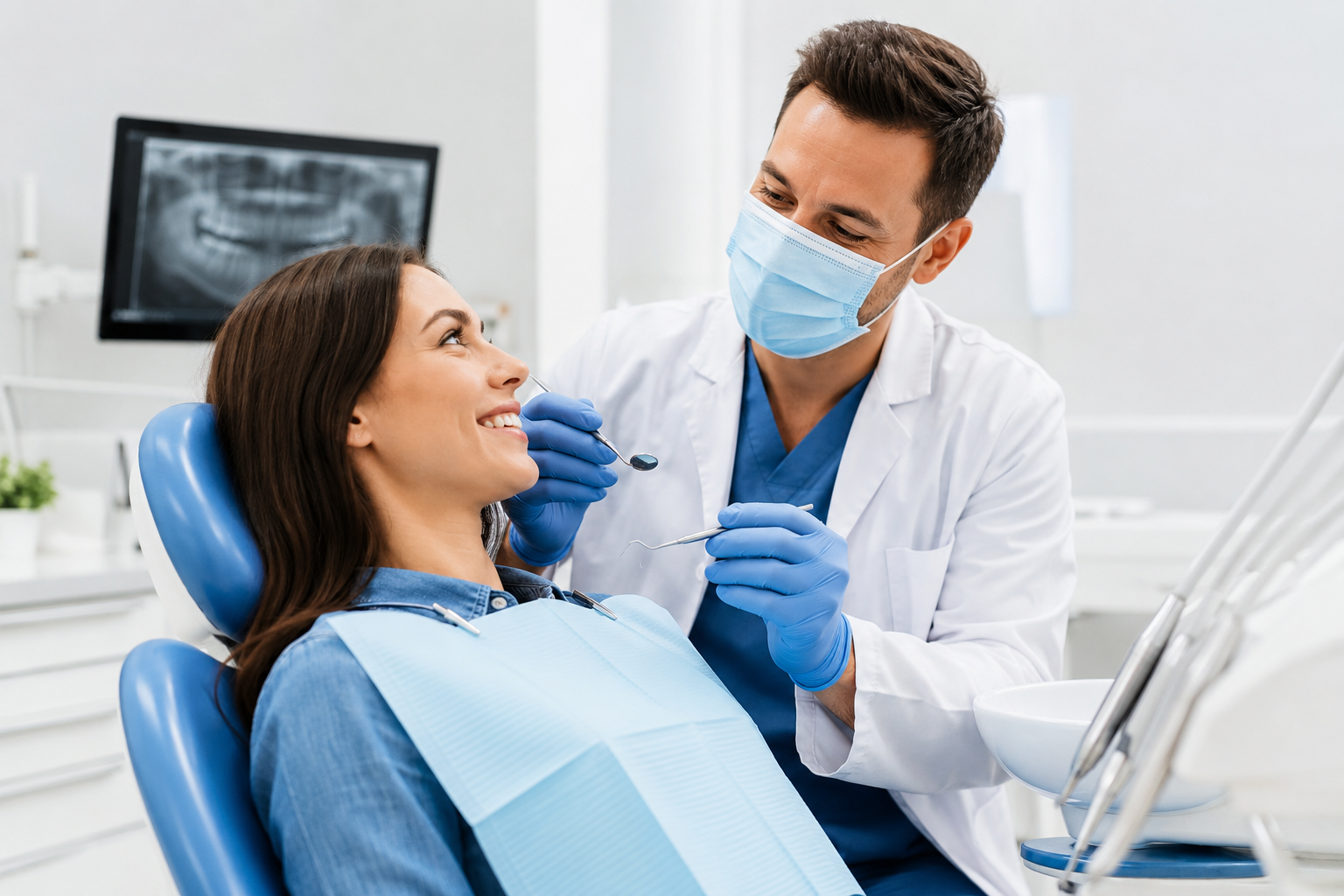
When a tooth suddenly hurts, a crown comes loose, or an injury chips a front tooth, you need fast, reliable care in Falls Church, VA. Find an emergency dentist who can treat pain, stop infection, and restore function the same day—so you can get back to your life with confidence.
This article guides you through when to seek urgent dental care, the most common emergencies you might face, what treatments to expect, and how to choose the right emergency dentist in Falls Church. It also covers practical tips for helping children, preventing future problems, and managing costs, so you know exactly what steps to take when every minute matters.
Severe pain, bleeding, or trauma often signals the need for prompt dental attention. Quick recognition and the right first steps can reduce complications and improve outcomes.
A dental emergency involves problems that threaten health, function, or a tooth’s survival. Examples include severe tooth pain that wakes someone at night, a tooth knocked out by a fall, uncontrolled bleeding after an extraction, or a swelling that affects breathing or swallowing. Persistent fever with facial swelling also qualifies because it may indicate a spreading infection.
They should treat sudden intense pain more urgently than dull, intermittent discomfort. Visible fractures exposing the tooth’s pulp, or a crown or filling dislodged in a way that causes pain, requires immediate evaluation. If trauma involves a child’s permanent tooth, faster action improves the chance of reattachment.
Call the dental office immediately and describe symptoms: location, onset, intensity, and any trauma. If a tooth is knocked out, handle it by the crown only, rinse briefly with saline or milk if dirty, and try to reposition it in the socket or store it in milk or saline while en route.
For bleeding, apply firm pressure with clean gauze for 15–20 minutes. Use a cold compress on the outside cheek to reduce swelling. Avoid placing aspirin directly on gums. For severe pain, over-the-counter ibuprofen taken as directed can help; acetaminophen is an alternative if NSAIDs are contraindicated.
Seek immediate care for: uncontrolled oral bleeding, a tooth completely avulsed (knocked out), severe facial swelling that impairs breathing, intense pain not controlled by OTC medications, or signs of systemic infection such as high fever and malaise. Also prioritize treatment for trauma causing jaw misalignment or difficulty opening the mouth.
Less urgent but still prompt care is warranted for loose teeth after injury, a broken tooth without bleeding, or an object lodged between teeth causing pain. When in doubt, contact a dental emergency line or an urgent care dental clinic in Falls Church, VA, to confirm next steps and avoid worsening complications.
This section covers common urgent dental problems, practical first steps, and what treatment to expect at an emergency dental office in Falls Church, VA. Readers will learn how to recognize severity, control pain or bleeding, and preserve damaged teeth before professional care.
A sudden, severe toothache often signals infection or decay reaching the tooth nerve. Pain may be constant, throbbing, worse with pressure or heat, and sometimes accompanied by fever or swollen jaw.
If swelling, fever, or difficulty breathing or swallowing occurs, seek immediate care — those signs suggest a spreading infection that can become dangerous.
For at-home measures until the dentist visit, rinse with warm salt water, use over-the-counter ibuprofen for pain and inflammation, and avoid placing aspirin directly on gums. Do not attempt to lance an abscess; that risks spreading infection.
At the emergency dental visit, providers typically confirm infection with a clinical exam and X-rays, then offer antibiotics, drainage when needed, and root canal therapy or extraction depending on tooth salvageability.
A small chip may only be cosmetic, while larger fractures can expose dentin or the pulp, causing pain and sensitivity. Fractures that extend below the gumline or into the root require prompt evaluation to prevent infection and further damage.
If a piece of tooth is available, store it in milk or saline and bring it; the dentist may bond or reattach it.
Immediate steps include rinsing the mouth, applying a cold pack to reduce swelling, and taking pain relievers. Avoid chewing on the damaged side and protect sharp edges with dental wax or sugar-free gum.
Treatment options range from smoothing and bonding for minor chips, to crowns for significant structure loss, and root canal plus crown for pulp involvement. A dentist will also check bite alignment to prevent future stress fractures.
A tooth completely displaced from its socket is a true emergency with the best chance of replantation within 30–60 minutes. Time and proper handling determine whether the tooth can be saved.
Handle the tooth by the crown only; avoid touching the root.
If dirty, gently rinse under running water for no more than 10 seconds; do not scrub or remove attached tissue. Try to reinsert the tooth into the socket and hold it in place, or keep it stored in milk, saline, or the patient’s saliva while en route to the office.
At the emergency visit, the dentist will attempt replantation and splint the tooth to adjacent teeth, followed by antibiotics and tetanus review. Long-term monitoring is necessary to assess root healing and possible root canal treatment.
A lost filling or crown can expose sensitive tooth structure and allow bacteria to enter, increasing risk of pain and decay. Sudden looseness often signals underlying decay or a cracked tooth that needs assessment rather than ignoring the problem.
Temporary measures include sliding the crown back onto the tooth with dental cement or a bit of over-the-counter temporary dental cement, or using sugar-free chewing gum if cement is unavailable.
Clean the area gently and avoid sticky or hard foods. Pain can be managed with ibuprofen and topical anesthetic gels for short-term relief.
At the emergency visit, the dentist will inspect for decay, check crown fit, and decide between recementing, replacing the crown, or performing additional restorative work such as a new filling or root canal if the pulp is affected.
Patients can expect targeted pain control, tooth-saving restorations, or safe extractions depending on the injury and the tooth’s condition. Immediate treatment aims to stop bleeding, relieve pain, prevent infection, and preserve as much natural tooth structure as possible.
Dentists usually start with local anesthetic to numb the affected area for immediate comfort. For severe pain or swelling, they may give a short course of oral antibiotics and prescribe nonsteroidal anti-inflammatory drugs (NSAIDs) such as ibuprofen; acetaminophen is offered when NSAIDs are contraindicated.
For acute pulpitis or exposed nerve pain, a dentist can place a temporary medicated dressing or perform a pulpotomy to reduce sensitivity while planning definitive care. If patients present with dental abscess and systemic signs (fever, spreading swelling), urgent incision and drainage plus antibiotics is performed to control infection before further treatment.
Topical agents and desensitizing varnishes may be applied for minor sensitivity, and mouth rinses with warm saline or chlorhexidine help reduce bacterial load when brushing is painful. Providers will explain home-care steps and safe over-the-counter dosing to bridge the patient to follow-up care.
When a tooth is chipped, fractured, or has lost a filling, dentists select a restoration based on the damage and location. Small chips often get smoothed and bonded with composite resin in a single visit for cosmetic and protective repair. Larger fractures that involve cusp or cusp-to-cusp damage may need indirect restorations such as onlays, crowns, or custom-made veneers.
If decay or trauma exposes the pulp but the tooth can be saved, root canal therapy removes infected tissue and allows placement of a crown to restore function. For posterior teeth with significant structure loss, crowns protect against future fracture and restore chewing surfaces. Clinicians discuss material options (porcelain, zirconia, metal-ceramic) and the expected lifespan and cost of each choice.
Temporary restorations may be placed immediately to protect the tooth while lab-fabricated restorations are made. The dentist outlines follow-up timing, possible need for root canal therapy later, and preventive steps to avoid repeat damage.
Extraction becomes necessary when a tooth is non-restorable, severely infected, or causing uncontrolled pain despite other measures. Dentists perform atraumatic extractions using local anesthesia and, when indicated, conscious sedation to maximize comfort and reduce anxiety. For impacted or broken roots, surgical extraction under local anesthesia can be done with minimal trauma and appropriate post-op care.
After extraction, providers place gauze to control bleeding, prescribe pain medication and, if infection risk exists, antibiotics. They give clear instructions on avoiding smoking, using ice, and following a soft-food diet to promote clot formation. Options for replacing the extracted tooth—immediate implant placement, delayed implant, fixed bridge, or removable prosthesis—are discussed and scheduled once healing permits.
Patients will find practical steps to ease pain quickly, how the dentist diagnoses problems, and clear instructions to follow at home for healing and infection prevention.
The team greets patients quickly and checks vital signs if pain is severe or a medical condition is involved. Reception staff confirm insurance and document medications to prevent interactions with anesthesia or antibiotics.
Clinicians offer local anesthesia for most toothaches, crown failures, and extractions; topical gels reduce the sting of injections. For patients with high anxiety or complex procedures, the practice may provide nitrous oxide or oral sedation after a medical history review.
Staff explain each step before starting work and invite questions throughout the visit. They provide blankets, headphones, or stress balls on request to increase comfort and reduce movement during treatment.
The dentist conducts a focused exam of the mouth, jaw, and soft tissues to locate the source of pain. They look for swelling, broken teeth, infection signs, and bite issues, and they check for referred pain from the sinuses or jaw joints.
Digital X-rays or a cone-beam CT scan may be taken to assess root fractures, abscesses, or bone loss. These images help determine whether root canal therapy, extraction, or temporary stabilization (like a crown or splint) is needed.
If infection is present, the dentist may swab the area, prescribe antibiotics, and schedule follow-up to confirm resolution. Treatment options, costs, and timelines get explained clearly so patients can make informed decisions.
The dentist provides written and verbal instructions tailored to the procedure performed, including pain control, diet, and oral hygiene. For example: use ibuprofen 400–600 mg every 6–8 hours as needed, avoid chewing on the treated side for 24–48 hours, and rinse gently with warm salt water starting 24 hours after extraction.
If antibiotics are prescribed, patients must finish the full course even if symptoms improve. The team schedules a follow-up or referral—such as to an endodontist for root canal completion or an oral surgeon for complex extractions—before the patient leaves.
Emergency visits include clear warning signs that require immediate return: increasing swelling, fever over 101°F (38.3°C), uncontrolled bleeding, or worsening pain despite medication. The office gives direct contact numbers for after-hours questions and next-step scheduling.
Selecting an emergency dentist means checking qualifications, hours, and how they treat patients during stress. Prioritize clear communication, fast access, and a team that explains options and comforts patients quickly.
Look for dentists licensed in Virginia and with current certifications in emergency care and sedation. Verify board membership, such as the American Dental Association, and check state dental board records for license status and any disciplinary history.
Experience with specific urgent procedures matters. Prefer practices that list treated emergencies—like knocked-out teeth (avulsion), severe infections, and trauma repairs—and that show years of hands-on experience or specialized training in oral surgery or endodontics. Reviews and before/after photos can confirm consistent outcomes.
Confirm that the team includes trained support staff: dental assistants certified in CPR and dental radiography, and an on-call oral surgeon or endodontist for complex cases. Ask about infection-control protocols and whether the dentist maintains malpractice insurance; both indicate professional standards and patient safety.
Choose a practice that publishes clear after-hours policies and response times. Emergency dental needs are time-sensitive—cellulitis and avulsed teeth require prompt treatment—so note whether the office provides same-day appointments, true 24/7 on-call coverage, or limited after-hours windows.
Call the clinic at different times to test responsiveness and listen for details: estimated wait time, triage questions, and immediate self-care steps. A clinic that gives concrete guidance (e.g., how to preserve an avulsed tooth in milk or saline) demonstrates prepared staff and protocols.
Also confirm how they handle walk-ins versus appointments, payment options for urgent visits, and whether they coordinate with local emergency departments when medical issues overlap with dental trauma. These logistics affect how quickly a patient receives definitive care.
Prioritize dentists who explain diagnoses and treatment options in plain language and who outline costs before procedures. A patient-centered clinic offers comfort measures—local anesthesia, nitrous oxide, or oral sedation—and discusses pain control and recovery timelines clearly.
Look for empathetic communication: staff who listen, repeat instructions, and provide written aftercare. Practices that follow up by phone within 24–48 hours after an emergency visit show commitment to outcomes and continuity of care.
Check patient reviews for mentions of waiting-room comfort, staff friendliness, and whether the clinic accommodated anxious patients or children effectively. A practice that combines technical skill with gentle communication reduces stress and improves recovery.
Good daily habits, the right protective equipment during activities, and consistent dental visits reduce the chance of urgent care needs. These measures target the most common causes of emergencies: decay, injury, and neglected problems.
They should brush twice daily with a soft-bristled brush and fluoride toothpaste for two minutes each time. Emphasize brushing along the gumline and the chewing surfaces; use gentle circular strokes to remove plaque without damaging soft tissue.
Floss once daily, reaching below the gumline to dislodge trapped food and bacteria between teeth. For patients with braces, bridges, or implants, recommend interdental brushes or water flossers to clean hard-to-reach areas effectively.
Use an alcohol-free fluoride mouthwash nightly if decay risk is high. Replace toothbrushes every three months or after illness. Encourage patients to limit sugary snacks and acidic drinks to meal times to reduce enamel erosion and cavity formation.
Athletes should wear a custom-fitted mouthguard for contact or high-impact sports. A dentist-made guard offers better fit, comfort, and shock absorption than boil-and-bite models, lowering the risk of tooth fractures and jaw injuries.
For bicycling, skating, or skiing, a properly fitted helmet reduces traumatic facial injuries that can lead to dental emergencies. Advise clear eyewear in sports with flying objects to prevent eye and facial trauma that can indirectly harm teeth.
Children and teens in school sports need routine checks to ensure mouthguards still fit as their mouths grow. Keep a spare mouthguard in sports bags and teach players how to clean and store guards to prevent bacterial buildup.
Schedule professional exams every six months, or more often for those with gum disease, diabetes, or a history of rapid decay. Dentists detect small cracks, cavities, and infections before they escalate into painful emergencies.
Routine X-rays and periodontal charting identify hidden decay and bone loss early. Professional cleanings remove tartar that brushing and flossing cannot, cutting the risk of abscesses and tooth loss.
When a problem is found, prompt treatment—such as a filling, crown, or root canal—prevents escalation. Dentists also provide personalized prevention plans, including topical fluoride, sealants for children, and home-care adjustments tailored to each patient’s risk factors.
Quick, practical steps and calming strategies help parents act confidently when a child hurts a tooth, bangs a jaw, or swallows something they shouldn’t. The guidance below covers what to watch for, when to seek urgent care in Falls Church, and how to comfort a child while protecting their oral health.
Children’s teeth and jaws are still developing, so injuries can affect growth and adult teeth. A knocked-out baby tooth usually does not get replanted; a knocked-out permanent tooth (typically from age 6 onward) should be handled carefully and brought to the dentist immediately.
Watch for signs beyond pain: bleeding that won’t stop, teeth pushed out of position, visible root or tooth fragments, jaw misalignment, or changes in speech or breathing. If a fall caused loss of consciousness, persistent vomiting, or severe headache, go to the emergency department first for possible concussion.
Communicate calmly and honestly with the child. Use simple phrases like “We’ll see the dentist to make it better.” Bring any broken tooth fragments, a list of medications and allergies, and the child’s dental records if available.
Assess safety first: stop bleeding with gentle pressure using a clean cloth or gauze for 10–20 minutes. For lip or cheek cuts, apply pressure and a cold pack to reduce swelling; if bleeding persists after 20 minutes, seek emergency care.
If a permanent tooth is knocked out, pick it up by the crown (not the root), rinse briefly with water if dirty, and try to reinsert it into the socket. If reinsertion isn’t possible, place the tooth in milk or the child’s saliva and get to an emergency dentist within 30–60 minutes for the best chance of saving it.
For chipped or cracked teeth without severe pain, rinse the mouth with warm water, apply a cold pack for swelling, and call the emergency dentist to arrange evaluation within 24 hours. If the child swallowed a tooth or dental piece and shows breathing difficulty, go to the ER immediately.
Contact the Falls Church emergency dental clinic or pediatric dentist promptly, describe the injury clearly, and follow their instructions about pain control (acetaminophen or ibuprofen dosing by weight) and transport to the office.
Costs for urgent dental visits vary by treatment, provider, and timing. Patients should expect fees for the emergency visit, diagnostic X-rays, and any immediate procedures like extractions or temporary restorations.
Many major insurers (Delta Dental, MetLife, Cigna) cover emergency exams and pain relief but vary on restorative work and extractions. Patients should call their insurer before treatment to confirm in-network emergency providers, deductible amounts, and whether urgent visits after hours incur higher copays.
Dental offices typically request a co-pay or deposit at check-in. For uninsured patients, clinics often provide written estimates for the emergency visit, X-rays, and likely procedures so patients can decide on immediate care versus scheduling follow-up work.
Accepted payment methods usually include credit cards, debit cards, and care-credit plans. Some Falls Church practices offer sliding-scale fees or discounts for cash payments; patients should ask the front desk about exact policies and documentation needed.
Community clinics and dental schools near Falls Church often run reduced-cost emergency programs. These sites can lower out-of-pocket expenses for extractions, temporary crowns, and pain management, though appointment availability can be limited.
Dental discount plans provide annual membership for reduced fees on urgent exams and common procedures. They are not insurance but can cut emergency procedure costs by 10–60%, which helps when facing high deductibles.
Short-term financing options like CareCredit or in-office payment plans let patients spread costs over several months. Patients should compare interest rates, monthly payments, and any deferred-interest terms before committing.
After an emergency visit, the dental team outlines a clear plan so patients know what comes next. They schedule any follow-up treatments, explain timing, and provide home-care instructions to support healing.
Patients should follow post-care directions exactly. This often includes pain management, avoiding hard foods, and gentle oral hygiene to prevent infection.
Arrange a follow-up appointment within the timeframe the dentist recommends. This visit lets the clinician monitor recovery, remove sutures if needed, and finalize restorative work like crowns or fillings.
Consider preventive measures to reduce future emergencies. Regular cleanings, nightguards for grinding, and prompt attention to small problems can prevent larger issues later.
Keep a short list of emergency contacts and dental records. It helps when transferring care or seeking a second opinion. Many practices in Falls Church offer same-day follow-up for urgent concerns.
If anxiety or pain persists, the dentist can discuss sedation options or alternative pain control. They tailor the approach to the patient’s medical history and comfort level.
Patients are encouraged to call with questions or changes in symptoms. Prompt communication often prevents complications and speeds recovery.
For easy reference, they may receive written instructions and a phone number for after-hours support. Scheduling a routine check within a few weeks ensures continued oral health and peace of mind.
This section clarifies when to seek immediate care, what to do for broken or knocked-out teeth, home pain management, handling infections, and timing for lost restorations.
A dental emergency includes uncontrolled bleeding, severe pain that prevents sleep or eating, a knocked-out tooth, or signs of spreading infection such as fever and facial swelling.
Minor issues like mild tooth sensitivity, small chips that don’t hurt, or a lost cosmetic veneer can usually wait for a scheduled visit.
Rinse the mouth with warm water to remove debris and gently apply cold compresses to reduce swelling.
Save any tooth fragments in milk or saline and bring them to the dentist; they may be reattached or used to guide restoration.
Rinse with warm saltwater, floss around the sore tooth to remove trapped food, and use over‑the‑counter ibuprofen or acetaminophen as directed for pain control.
Avoid placing aspirin directly on the tooth or gum; topical creams can irritate tissue and worsen pain.
Handle the tooth by the crown only; do not touch the root.
If possible, rinse briefly with water and reinsert into the socket, holding it in place, or store it in milk or a tooth-preservation solution and see a dentist immediately—ideally within one hour.
Many dentists provide same-day treatment for abscesses, including drainage, antibiotics, and pain relief when indicated.
Definitive care such as root canal or extraction may be scheduled after infection control and assessment of the tooth’s prognosis.
Replace lost fillings or crowns within a few days to prevent tooth fracture, sensitivity, or decay from exposure.
Use dental cement or temporary filling materials available at pharmacies for short-term protection and contact a dentist promptly for a permanent repair.